

Description
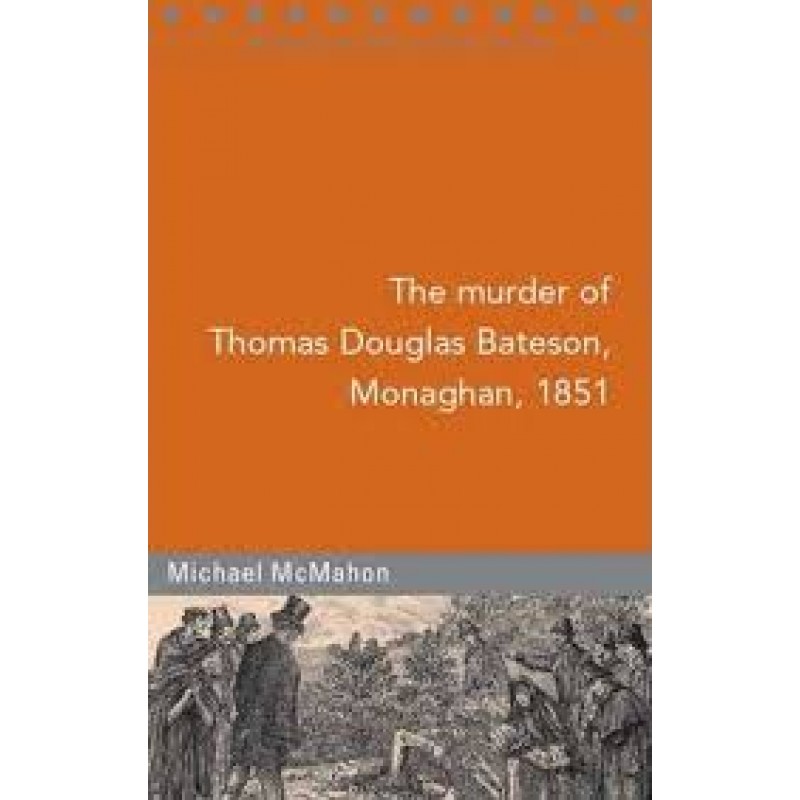
The Murder of Thomas Douglas Bateson, County Monaghan, 1851 by Michael McMahon is a focused historical study published by Four Courts Press as part of the Maynooth Studies in Local History series (No. 67).
The book investigates the killing of Thomas Douglas Bateson, agent to the Templetown estate near Castleblayney, County Monaghan, who was murdered on 4 December 1851 while returning home from estate business at Corratanty. The case caused widespread shock locally and was reported as far as Westminster, reflecting its political and social significance in post-Famine Ireland.
McMahon situates the murder within the broader context of landlord–tenant relations in the aftermath of the Great Famine, a period marked by poverty, unrest, and deep mistrust between land agents and rural communities. The book explores whether the killing was an isolated act of violence or part of a wider pattern of agrarian agitation and organised resistance.
Key themes include:
- Agrarian violence in post-Famine Ireland
- Landlord–tenant tensions in County Monaghan
- The role of estate agents in rural economic control
- Possible connections to Ribbonism and agrarian conspiracy
- Criminal investigations and court proceedings following the murder
- Execution and acquittal outcomes in the case
- Social conditions in rural Ulster during the 1850s
The author reconstructs the events leading up to the murder using court records, contemporary newspapers, and official reports. The study also examines the controversial legal aftermath, in which several men were tried, with some executed and others acquitted, highlighting the complexities and limitations of nineteenth-century Irish criminal justice.
Rather than treating the case as an isolated incident, McMahon places it within a wider historical pattern of rural unrest in Ireland during the mid-nineteenth century. He explores how economic pressure, land disputes, and political tension combined to produce outbreaks of violence, especially in Ulster border counties like Monaghan.
The book is concise but deeply researched, making it a valuable contribution to local Irish history and a detailed case study of rural crime, justice, and society in the post-Famine period.
ISBN 9781846820083


Reviews
There are no reviews yet.