
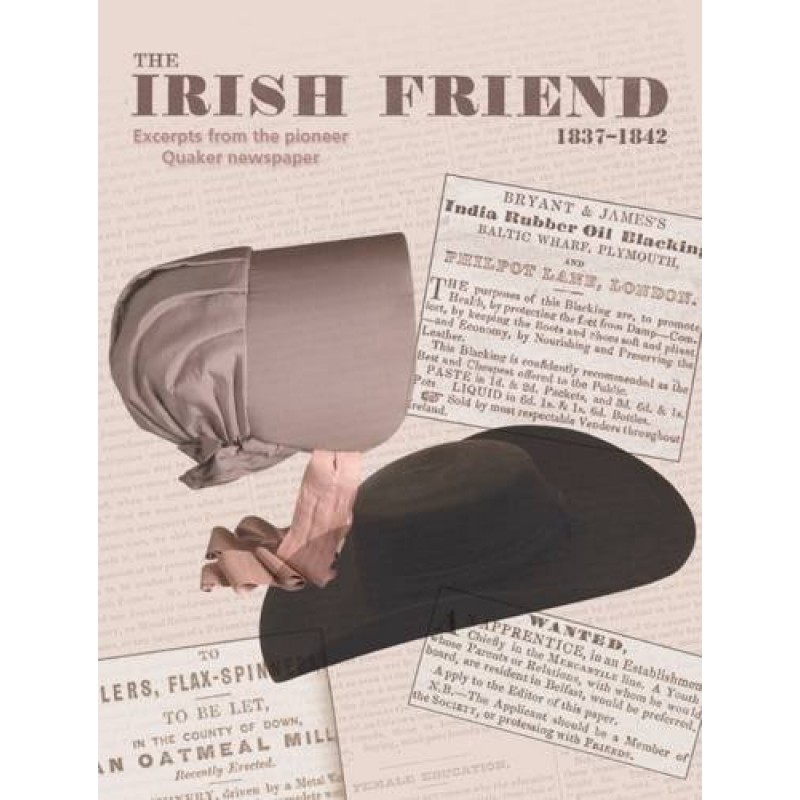

Description
The Quaker community in Ireland, though small in numbers, has consistently played a disproportionately large role in nineteenth-century social reform, education, and humanitarian relief. The Irish Friend delivers a thorough, data-driven audit investigating the editorial focus, reported activities, and broader community impact of the periodical that served as the primary voice for these reformers.
The text looks deeply into original back-issue archives, Quaker relief committee reports, and correspondence files to evaluate the practical functional operations of their social activism, including anti-slavery campaigns and Famine relief. The authors systematically guide advanced researchers through complex historical debates tracking how the publication mobilized charitable networks and influenced state policy, skipping rhetorical padding for direct, high-impact historical analysis. This authoritative book stands as a mandatory manual for religious history researchers, social reform scholars, and university archive collections globally.
Critical social and institutional frameworks evaluated within this study:
Editorial and Organizational Analytics: Breaks down specific humanitarian aid metrics, publication distribution ranges, and major reform campaign timelines.
Socio-Political Context Mapping: Documents the intense strategic tension between the Quaker commitment to non-violent relief, local sectarian boundaries, and government humanitarian policies.
Gold-Standard Scholarly Quality: Meticulously annotated with extensive primary archive texts, editorial summary appendices, and deep peer-reviewed indices.





Reviews
There are no reviews yet.