

Description
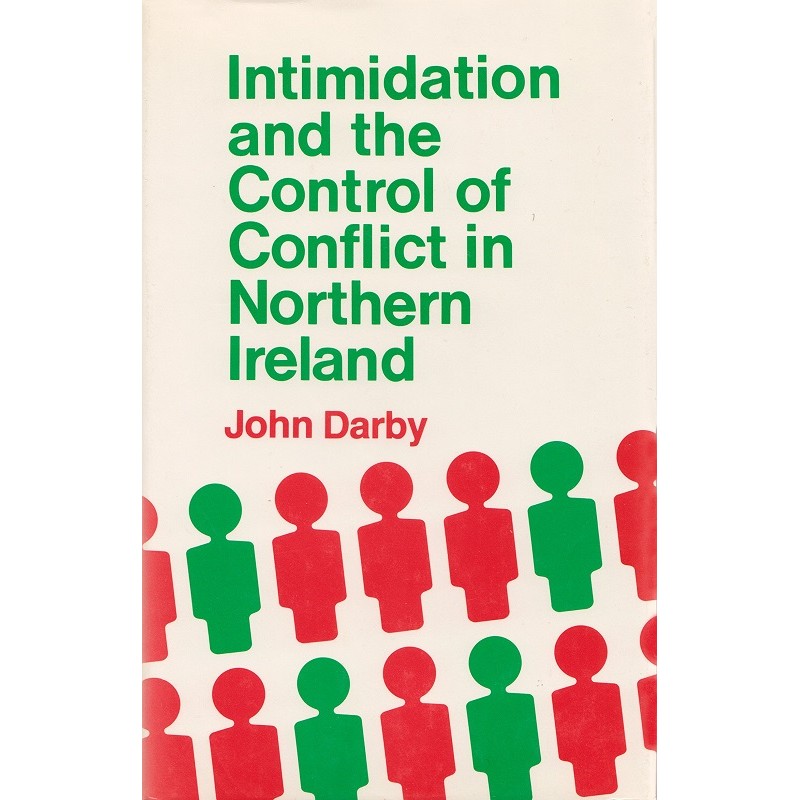
During the turbulent decades of the Troubles, conflict was maintained not just through high-profile political battles, but through quiet, localized networks of community pressure and territorial enforcement. Intimidation and the Control of Conflict in Northern Ireland delivers a masterly, data-driven investigation into these complex social dynamics.
The text analyzes the strategic use of intimidation by various factions to enforce community boundaries, control local populations, and silence political dissent. Moving past simple media headlines, the authors combine sociological theory with extensive field research to evaluate how local neighborhoods adapted to continuous stress and how community-led conflict resolution frameworks slowly emerged to challenge paramilitary control. It stands out for its analytical accuracy, making it a vital reference cornerstone for geopolitical researchers and advanced history libraries.
Critical frameworks evaluated within this text:
Social Control Mechanics: Details the precise strategies used to police community behavior, manage neighborhoods, and maintain territorial divides.
Community Resilience Audits: Documents the grassroots initiatives, cross-community alliances, and safety networks built by ordinary citizens to combat fear.
Primary Source Authority: Built directly from archive files, contemporary community surveys, and direct testimonies from conflict resolution practitioners.










Reviews
There are no reviews yet.