Description
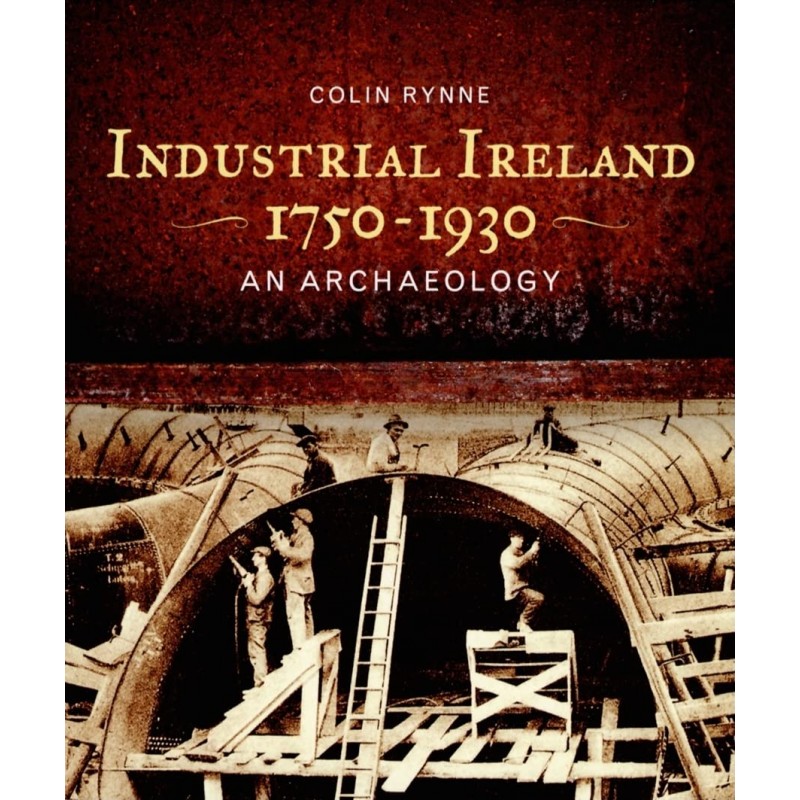
While traditional histories often focus almost exclusively on Ireland’s agrarian landscape, the island was home to massive, highly advanced engineering feats and manufacturing hubs. In Industrial Ireland 1750-1930 An Archaeology, leading authority Colin Rynne delivers a definitive, encyclopedic study of the physical remains of the Irish Industrial Revolution.
This comprehensive volume systematically maps the architectural and mechanical evolution of the island’s industrial infrastructure—spanning water and steam power, textiles, grain milling, brewing, distilling, mining, and transport networks. Written with direct, functional clarity and packed with site diagrams, Rynne examines the concrete engineering decisions behind these structures and how they shaped the modern landscape. It stands as an indispensable reference cornerstone for industrial archaeologists, local heritage bodies, and university libraries.
Critical frameworks evaluated within this landmark text:
-
Unrivaled Engineering Scope: Comprehensive breakdowns of heavy manufacturing tech, from giant waterwheels to Dublin and Belfast shipyards.
-
Extensive Field Site Mapping: Includes detailed structural assessments, technical diagrams, and site photographs of surviving heritage architecture.
-
Gold-Standard Reference Value: A heavy-set, authoritative volume built specifically for professional researchers, conservation planners, and serious students.
Only logged in customers who have purchased this product may leave a review.










Reviews
There are no reviews yet.