
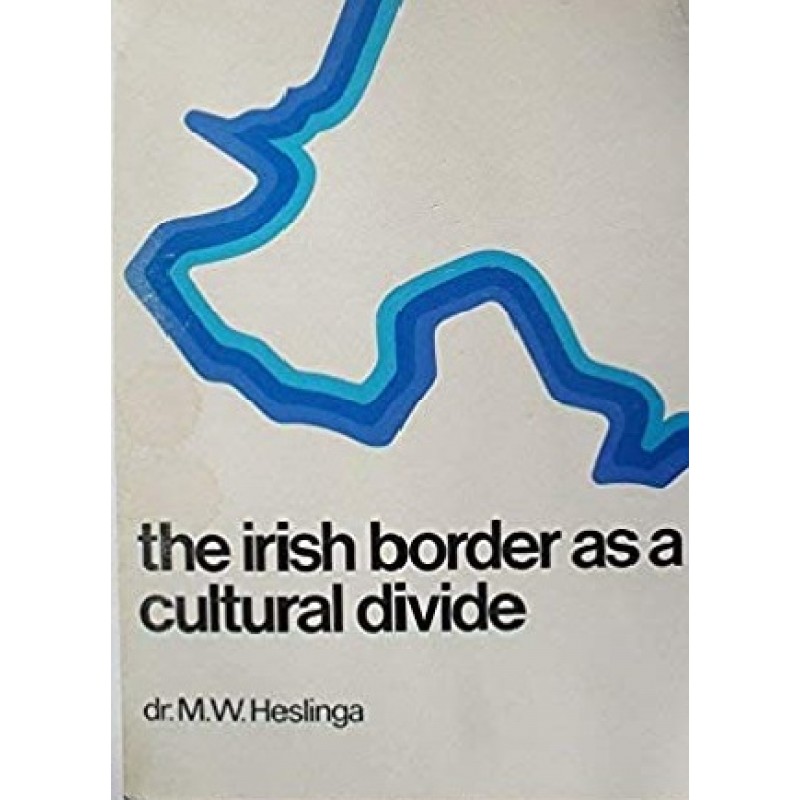

Description
The physical border line, once defined by military checkpoints and customs posts, continues to function as a powerful, complex cultural divide affecting local identities, social networks, and community outlooks. The Irish Border as a Cultural Divide delivers a thorough, data-driven sociological audit tracking the historical perceptions, lived realities, and ongoing community transformations occurring within borderland populations.
The volume looks deeply into community surveys, local ethnographic interviews, and political boundary maps to evaluate the practical functional operations of daily life in border communities during and after the conflict. The authors systematically guide advanced researchers through complex debates tracking how the border influences education, sport, and religious community connections, skipping unnecessary jargon for high-impact social analysis. This authoritative book stands as a mandatory reference manual for sociology tracks, geography research departments, and university libraries globally.
Critical sociological and geographical frameworks evaluated within this study:
Identity and Network Micro-Analytics: Breaks down specific social cohesion metrics, cross-border community interaction rates, and local demographic perception surveys.
Socio-Cultural Context Mapping: Documents the intense structural friction between state-level sovereignty boundaries and the deeply ingrained, daily lived realities of local populations.
Gold-Standard Scholarly Quality: Meticulously annotated with extensive primary data charts, field interview appendices, and deep peer-reviewed indices.







Reviews
There are no reviews yet.