Description
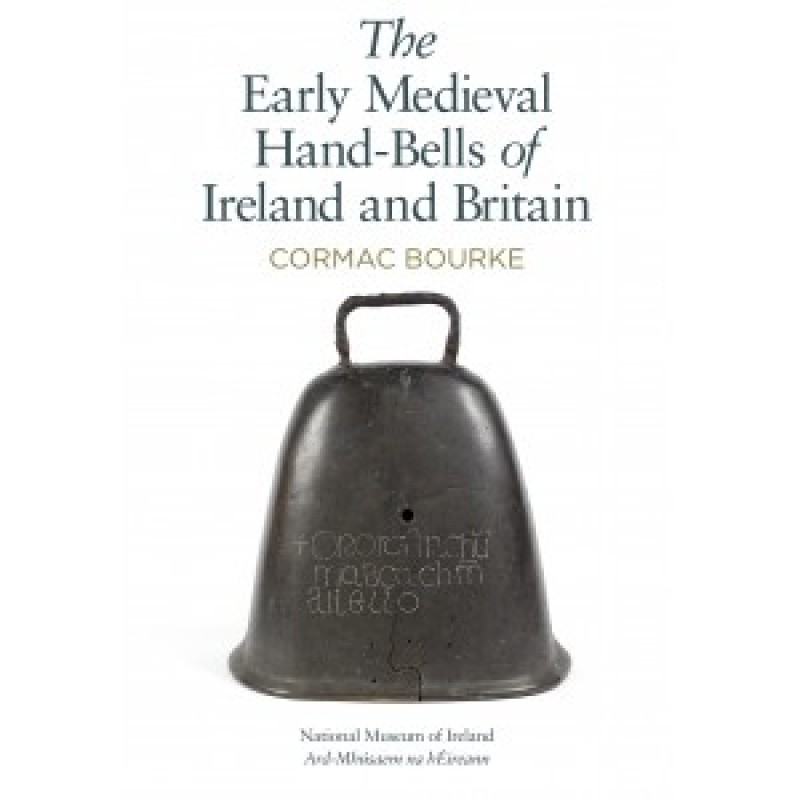
The early medieval hand-bell—often overlooked—serves as a vital artifact documenting religious development, metalworking precision, and community organization in the early church. The Early Medieval Hand-Bells of Ireland and Britain delivers a masterly, data-driven archaeological audit tracking the manufacturing techniques and geographic dispersal of these iconic objects.
The text looks deeply into archaeological collection logs, metallurgical analysis reports, and religious site inventories to evaluate the practical functional operations of these bells in monastic daily life. The authors guide researchers and ecclesiastical historians systematically through the mechanics of casting, bell-founding styles, and their symbolic role in early Christian ceremonies, avoiding rhetorical padding for direct clarity. This premium volume stands out as an indispensable reference centerpiece for museum curators, advanced archaeology tracks, and heritage collectors.
Critical archaeological and metallurgical frameworks evaluated within this study:
-
Structural Artifact Analytics: Breaks down specific metal-alloy compositions, bell-casting geometries, and artifact distribution patterns.
-
Socio-Cultural Identity Mapping: Documents the explicit connections between ecclesiastical status, ritual use, and the diffusion of metalworking technology.
-
Elite Archival Rigor: Heavily supported by crisp artifact plate galleries, geochemical analysis charts, and a comprehensive archaeological index.
Only logged in customers who have purchased this product may leave a review.











Reviews
There are no reviews yet.