

Description
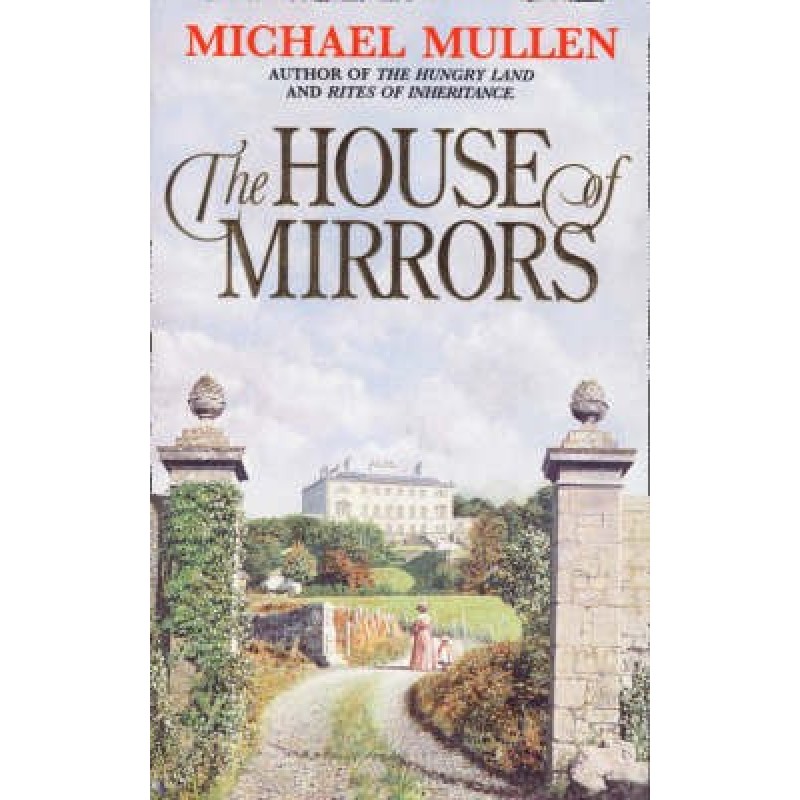
The House of Mirrors by Michael Mullen is a psychological and character-driven Irish novel first published in 1992 by Fontana (HarperCollins). Set in rural County Mayo, the novel centres on the Martyn family and examines how grief, rejection, and emotional damage shape relationships within an isolated estate household.
The story begins with Gregory Martyn returning to his estate after the death of his wife during childbirth. The birth of his daughter Elinor becomes the emotional turning point of the narrative, as Gregory’s bitterness toward the child grows and is mirrored by hostility within the family. As Elinor grows up, she becomes increasingly alienated, seeking refuge among servants and those outside her immediate family circle.
The novel uses the confined setting of the estate to explore psychological tension and emotional entrapment, where each character reflects different forms of isolation. The “house of mirrors” becomes a symbolic space where distorted perceptions of love, grief, and identity are reflected back at the characters, intensifying conflict and misunderstanding.
Key themes include:
- Family trauma and emotional inheritance
- Isolation in rural Irish estate life
- Parent–child conflict and rejection
- Psychological tension and repression
- Class divisions within household structures
- Identity formation under emotional neglect
- Symbolism of reflection, distortion, and memory
Michael Mullen’s writing captures both the physical landscape of Mayo and the inner emotional landscape of its characters. The estate functions as both a setting and a metaphor, reinforcing the idea that personal relationships can become distorted like reflections in a mirror.
The novel is often associated with Irish literary fiction that focuses on domestic psychology and rural social structures. It blends realism with symbolic undertones, offering a deeply human exploration of how unresolved grief and resentment can shape entire family systems.
Overall, The House of Mirrors is a reflective and emotionally intense work that examines how individuals are shaped—and often trapped—by their past, their family roles, and the environments they inhabit.




Reviews
There are no reviews yet.