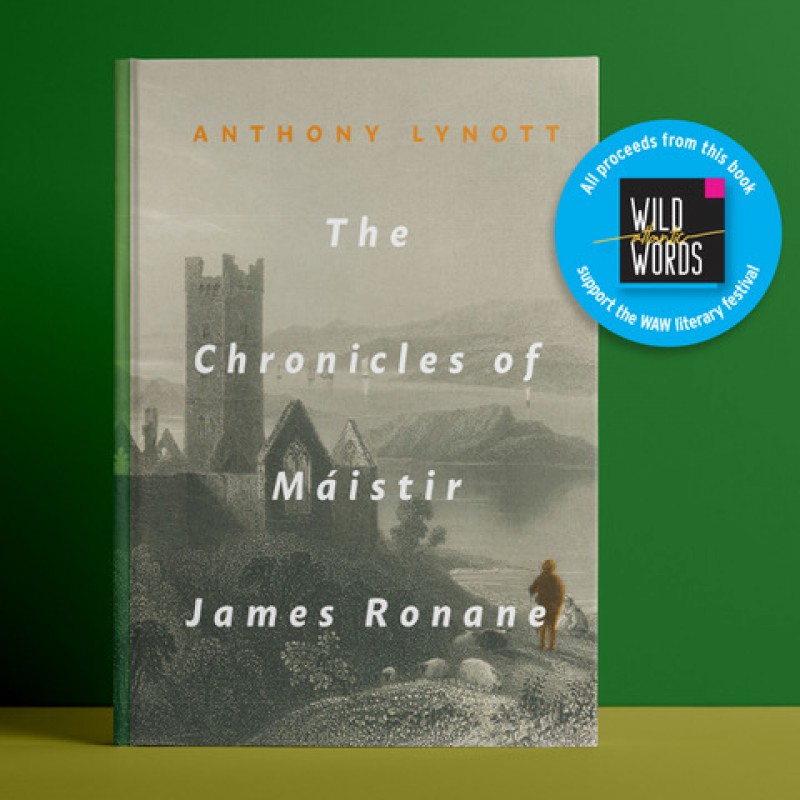
A historical fiction novel set in 19th-century rural Ireland, The Chronicles of Máistir James Ronane by Anthony Lynott follows a retired hedge-school master who observes the lives of a Mayo farming family. The story explores tenant life, famine-era pressures, and the social fabric of a west of Ireland community.
The Chronicles of Máistir James Ronane by Anthony Lynott is a work of historical fiction set in County Mayo during the 19th century, published in 2021. The novel centres on Máistir James Ronane, a retired hedge-school master, who becomes a reflective observer of the lives of local tenant farming families in rural western Ireland.
Through Ronane’s perspective, the novel follows the daily struggles of families such as the Burkes as they work their land, raise children, and endure economic hardship under the pressures of landlordism and rural poverty. The narrative situates personal stories within the broader historical context of pre-Famine and Famine-era Ireland, particularly focusing on rural Mayo.
The book blends fictional storytelling with historical background, capturing the rhythms of rural life, education in hedge schools, and the social hierarchy of Irish countryside communities in the 1800s.
Key themes include:
Rural life in 19th-century County Mayo
Hedge-school education and traditional learning
Tenant farming and landlord-tenant relations
Family survival and rural community structure
The social and economic pressures leading to the Great Famine
Oral tradition and storytelling culture in Ireland
Historical memory and rural identity
Community resilience and generational continuity
The author, Anthony Lynott, uses the fictional memoir-style structure of Máistir Ronane to explore how history is experienced at a local level, particularly in the west of Ireland where oral tradition and rural isolation shaped community life.
The novel is part of a broader body of Lynott’s historical fiction work, which often focuses on Mayo history, Irish political movements, and 19th-century social change. It reflects an interest in reconstructing local history through narrative storytelling rather than purely academic analysis.
Overall, The Chronicles of Máistir James Ronane is best understood as a historical literary narrative grounded in Mayo’s rural past, combining character-driven storytelling with detailed depictions of Irish rural society in a time of significant social transformation.
Additional information
Weight
0.5 kg
Reviews
There are no reviews yet.
Only logged in customers who have purchased this product may leave a review.





Reviews
There are no reviews yet.