

Description
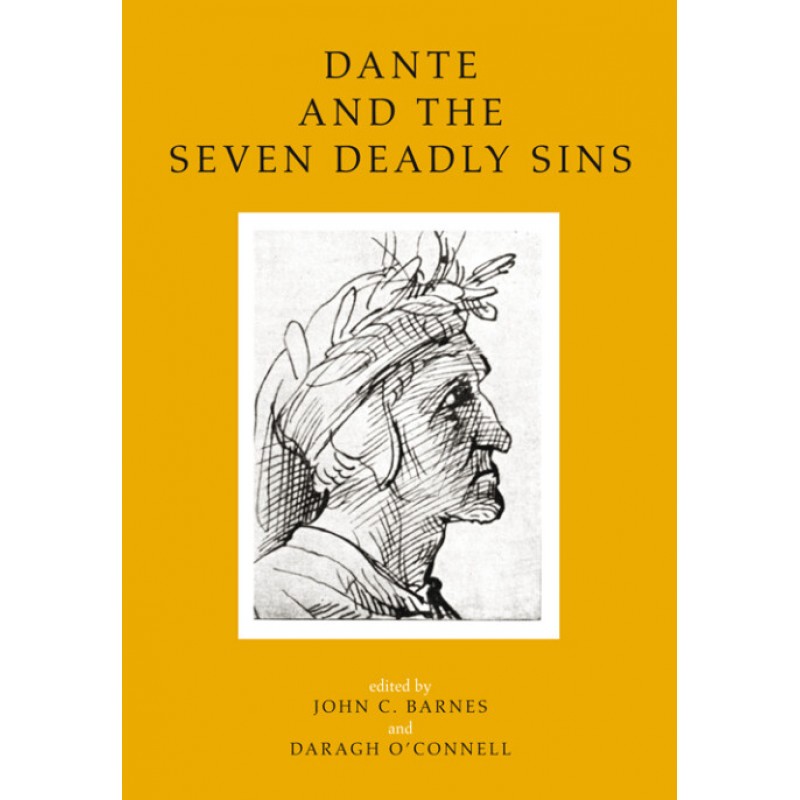
Dante’s Divine Comedy remains the ultimate literary cartography of human morality, sin, and spiritual redemption. Dante and the Seven Deadly Sins delivers an authoritative, data-driven investigation into how the Florentine poet utilized classical philosophy and Thomistic theology to construct the terraces of Purgatory and the circles of Hell.
The volume brings together leading international scholars to deliver a clear, functional analysis of each individual vice—from Pride to Lust. The authors examine how Dante translates abstract theological concepts into vivid, high-impact dramatic encounters with historical and mythological figures. Stripping away overly dense jargon, the text tracks the precise moral symmetry of Dante’s universe, making it an indispensable asset for literature students, comparative theology departments, and academic reference desks.
Key analytical themes evaluated within this text:
Philosophical Foundations: Traces the influence of Aristotle, Saint Augustine, and Saint Thomas Aquinas on Dante’s classification of sin.
Structural Symbolism Focus: Breaks down the specific punishments (contrapasso) devised for each sin as a reflection of its spiritual nature.
Gold-Standard Scholarly Quality: Extensively footnoted with early modern primary sources, textual comparisons, and comprehensive bibliographic registries.



Reviews
There are no reviews yet.